
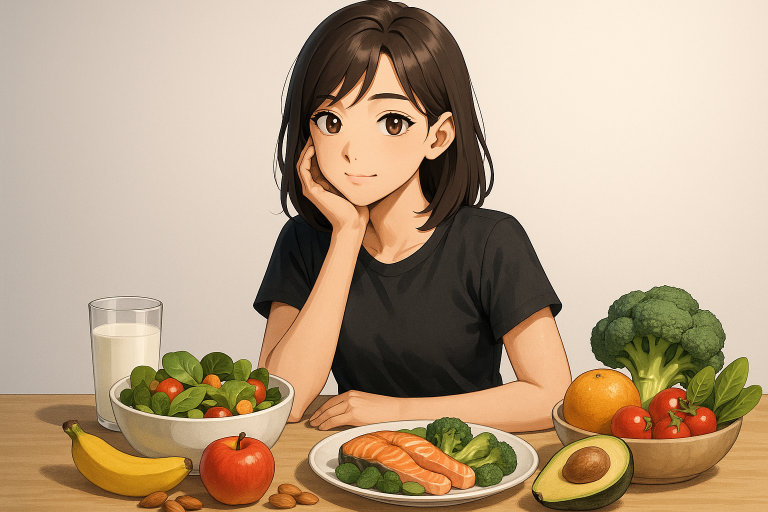
Your 20s: The compounding decade for health
The choices you make now don’t just influence how you look or feel this semester—they set the tone for your 30s, 40s, and beyond. The good news: small, consistent habits around food, movement, sleep, and stress pay outsized dividends. This guide keeps it practical and realistic for a busy 20-year-old, whether you’re juggling classes, a new job, or both.
Build a better plate: simple nutrition that works
Healthy eating isn’t about perfection. Aim to hit the basics most days and let the results compound. A useful hand-size guide for balanced meals:
- Protein (1–2 palms): Eggs, poultry, fish, tofu, beans, lentils, Greek yogurt, cottage cheese. Protein keeps you full, supports muscle and bone, and stabilizes energy.
- Veggies (1–2 fists): Prioritize colorful, non-starchy vegetables like broccoli, spinach, peppers, carrots, and salads. They add fiber, vitamins, and volume.
- Smart carbs (1–2 cupped hands): Oats, brown rice, quinoa, whole-wheat pasta, potatoes, corn, beans, fruit. Choose mostly whole grains and fruit over refined options.
- Healthy fats (1–2 thumbs): Olive oil, avocado, nuts, seeds, nut butters. They support hormones, brain health, and satisfaction.
- Dairy or fortified alternatives: Unsweetened milk or yogurt for protein and calcium, or fortified plant milks if you prefer.
- Hydration: Keep water handy and sip regularly; your urine should be pale yellow. Add electrolytes for long workouts or hot days.
Other high-impact tips:
- Fiber goal: Build toward 25+ grams per day with beans, whole grains, fruits, veggies, and seeds. Your digestion and energy will thank you.
- Omega-3s: Include fatty fish (like salmon or tuna) 1–2 times a week, or add flaxseed, chia, and walnuts if you don’t eat fish.
- Portions matter: Even nutritious foods can add up. Use the hand guide above and eat mindfully—finish when you’re satisfied, not stuffed.
Quick meal ideas you can throw together fast:
- Breakfast: Oats cooked in milk, topped with Greek yogurt, berries, and a spoon of peanut butter.
- Lunch: Grain bowl with brown rice, black beans, chopped veggies, chicken or tofu, salsa, and avocado.
- Dinner: Stir-fry frozen vegetables with edamame or sliced chicken, garlic, soy sauce, and sesame oil over quinoa.
- Snacks: Apple with almond butter; cottage cheese with pineapple; hummus with carrots; a handful of nuts.
Habits beyond the plate: what actually moves the needle
- Sleep like it matters (because it does): Most young adults do best with 7–9 hours nightly. Keep a consistent sleep-wake window, dim lights an hour before bed, park your phone out of reach, and keep your room cool and dark.
- Move on purpose and by default: Aim for about 150 minutes of moderate activity per week (like brisk walking or cycling) and include two days of strength training. Also look for “incidental” movement—take stairs, stand up between classes, walk while calling a friend.
- Lift for your future self: Strength training in your 20s boosts muscle, supports bone density, and improves posture. Think squats, hinges, pushes, pulls, and carries 2–3 times per week.
- Stress skills you can practice: Try 5 minutes of deep breathing, journaling, or a short walk outside when stress spikes. Protect social time and hobbies. If anxiety, depression, or disordered eating patterns show up, reach out to a counselor or healthcare provider early.
- Substances and stimulants: There’s no completely safe level of alcohol; if you choose to drink, keep it infrequent and light, and never mix with driving or important decisions. Avoid vaping and smoking. Keep caffeine under about 400 mg per day for most healthy adults, and stop by early afternoon to protect sleep.
- Screen and study posture: Every 20 minutes, look 20 feet away for 20 seconds to reduce eye strain. Keep screens at eye level and shoulders relaxed.
- Sun and skin: A brief morning walk in daylight can help your body clock and mood. Use daily broad-spectrum sunscreen (SPF 30 or higher) when outdoors.
- Preventive care: Set up a primary care visit, stay current on routine vaccinations, and consider STI screening if you’re sexually active. Prevention is simpler than treatment.
Budget-smart grocery staples
Eating well doesn’t require a gourmet budget. Stock these flexible, low-cost basics and mix-and-match:
- Oats, whole-wheat bread, brown rice, or quinoa
- Eggs, canned tuna or salmon, chicken thighs, tofu or tempeh
- Canned beans and lentils; canned tomatoes
- Frozen mixed vegetables and frozen berries
- Seasonal fresh produce (apples, bananas, carrots, onions, greens)
- Plain Greek yogurt or unsweetened fortified plant yogurt
- Olive oil, peanut or almond butter, nuts, and seeds
- Garlic, lemon, soy sauce, hot sauce, and a few favorite spices
Buy in bulk when possible, cook once and eat twice (leftovers save money and time), and keep a few “emergency” items like frozen veggies and canned beans on hand for busy nights.
A sample day that fits a real schedule
Use this as a template, not a rulebook:
- Morning: 10-minute walk in daylight; breakfast oats with yogurt and berries; water or coffee.
- Midday: Lunch grain bowl or a whole-grain wrap with turkey or tofu, veggies, and hummus. Short stretch break between tasks.
- Afternoon: Snack (fruit + nuts). 45-minute strength workout or brisk walk with a friend.
- Evening: Stir-fry dinner; fill half the plate with vegetables. Screen dimmed an hour before bed.
- Wind-down: Light stretch, shower, and consistent bedtime.
Small steps that actually stick
- Habit stacking: Attach a new habit to an existing one (stretch while coffee brews, fill your water bottle after brushing teeth).
- Environment design: Keep fruit visible, leave a yoga mat out, pack your gym bag the night before.
- Prep once, benefit all week: Batch-cook a pot of grains and a protein; chop veggies; portion nuts into snack bags.
- Track what matters: Mark workouts, steps, water, or sleep in a simple note. Seeing streaks builds momentum.
- Make it social: Cook with a roommate, join a rec league, or schedule a walk-and-talk with a friend.
Red flags worth attention
Check in with a healthcare professional if you notice:
- Chronic fatigue, dizziness, or frequent illness
- Persistent digestive issues, severe acne changes, or unexplained weight change
- Irregular or missed menstrual cycles outside of expected reasons
- Low mood, anxiety, or sleep problems lasting more than a couple of weeks
- Frequent binge drinking, blackouts, or any tobacco/vape use you’re struggling to stop
Quick-start checklist for this week
- Plan 3 balanced dinners and shop once
- Set a consistent sleep-wake window (within 1 hour) all week
- Get 2 strength sessions and 2 brisk 20-minute walks
- Carry a water bottle and aim for pale-yellow urine
- Add one extra serving of vegetables daily
- Schedule a preventive checkup if it’s been a while
Your 20s don’t require a perfect routine—just a simple one you can repeat. Focus on mostly whole foods, regular movement, quality sleep, and mindful stress management. Start small, stay consistent, and let time do the heavy lifting.